
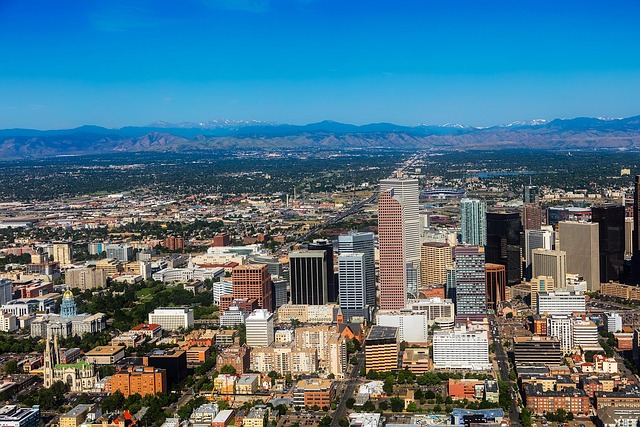
Denver's climate fosters mold growth due to warm summers, cold winters, and high humidity. Common molds include black mold (Stachybotrys chartarum), Asclepiades, Cladosporium, and Penicillium, posing health risks like respiratory irritation and allergic reactions. Water damage exacerbates the issue.
Mold Removal Services Denver offer advanced equipment and tailored plans for comprehensive cleanup, addressing moisture issues to prevent future growth. DIY solutions are limited. Professional services use specialized knowledge, equipment, and industry protocols for thorough decontamination, targeting specific mold types and extent of infestation.
Early detection and proper remediation by Mold Removal Services Denver protect properties and ensure air quality. They follow a meticulous process including inspection, customized removal plans, and post-removal verification. Preventing recurrence involves addressing moisture intrusion, improving ventilation, enhancing insulation, using eco-friendly methods, and proactive maintenance.
Mold growth is a common issue in homes and businesses across Denver, often hidden behind walls or beneath flooring. While small mold spots might be manageable with DIY methods, ignoring it can lead to severe health risks and costly structural damage. This article serves as your comprehensive guide to understanding when to call for professional Mold Removal Services Denver. We’ll outline the signs of advanced mold growth, the associated health hazards, and why timely professional intervention is crucial to prevent further complications.
- Understanding Denver's Mold: Types & Common Sources
- When Is Mold a Hazard: Health Risks & Signs to Watch
- DIY vs Professional: Evaluating Your Options for Removal
- The Role of Mold Removal Services Denver in Property Preservation
- Step-by-Step Guide: What to Expect from a Professional Service
- Preventing Recurrence: Post-Removal Tips & Best Practices
Understanding Denver's Mold: Types & Common Sources
Denver’s climate, characterized by warm summers and cold winters with high humidity levels, creates an ideal environment for mold growth. This urban area is home to various types of mold, each with unique characteristics and potential health impacts. Understanding these molds and their common sources is essential when considering whether to tackle a mold issue on your own or seek professional assistance from mold removal services Denver residents trust.
One of the most prevalent molds in Denver is Stachybotrys chartarum, often known as black mold. This type thrives in damp environments with poor ventilation, such as basements and bathrooms. It can produce mycotoxins, which may lead to respiratory issues and other health problems for individuals exposed over an extended period. Another common variety is Asclepiades, commonly found outdoors but capable of thriving indoors if moisture intrudes. This mold is less likely to produce harmful toxins but can still cause allergic reactions in sensitive individuals. Additionally, Denver’s proximity to mountains and rivers means that water damage from floods or leaks is a frequent occurrence, leading to the growth of various molds, including Cladosporium and Penicillium.
When addressing mold issues, it’s crucial to begin with an expert mold assessment and plan tailored to your specific situation. While do-it-yourself (DIY) mold removal tips are readily available, they may not be sufficient for extensive or hidden mold infestations. Professional mold removal services Denver offers utilize advanced equipment and products to ensure a comprehensive cleanup. They also address the underlying causes of moisture problems, preventing future mold growth, which is a key advantage over temporary DIY solutions.
When Is Mold a Hazard: Health Risks & Signs to Watch

Mold can pose significant health risks, especially for individuals with respiratory conditions or weakened immune systems. In Denver’s climate, where humidity levels can soar, it’s crucial to be vigilant about potential mold growth. While small amounts of mold are common in most environments, extensive or hidden mold colonies can lead to severe issues. Health risks associated with mold exposure include respiratory irritation, allergic reactions, and even neurological problems. The Centers for Disease Control and Prevention (CDC) emphasizes that individuals should seek professional assistance when dealing with water-damaged areas larger than 10 square feet or visible mold growth.
Watch for signs of mold in your Denver home or commercial property. Visible indicators include discolored walls, musty odors, peeling paint, and warped floors. Less apparent signs might be hidden behind walls, under flooring, or inside ceiling tiles—particularly after floods or leaks. It’s important to address mold issues promptly as it can continue to grow undetected, leading to more extensive damage and increased health risks. A professional for mold removal Denver services is equipped with the knowledge and tools to identify and mitigate mold problems effectively. They employ advanced techniques like moisture mapping, air quality testing, and specialized equipment to ensure thorough cleanup and restoration, including roof restoration Denver when necessary.
Effective mold cleaning solutions involve more than just visual inspection or surface treatments. Professionals use industry-standard protocols that include containment, removal, decontamination, and restoration. This comprehensive approach ensures not only the elimination of visible mold but also hidden spores. In addition to mold removal services Denver, maintaining a dry environment with proper ventilation is key. Regular monitoring, especially in humid areas like bathrooms or basements, can help prevent future mold growth. By trusting professionals for guidance and execution, you’ll ensure your space is safe and healthy, avoiding the costly and lengthy process of repeated mold removal efforts.
DIY vs Professional: Evaluating Your Options for Removal

When considering mold removal in Denver, understanding the distinction between DIY efforts and professional mold abatement services is paramount for effective and safe resolution. While some minor mold outbreaks can be tackled with do-it-yourself (DIY) methods, more extensive or hidden mold issues necessitate the expertise of specialized mold removal services Denver has to offer. DIY mold removal tips abound online, but these solutions are often limited in addressing complex mold growth, especially within hard-to-reach areas or after water damage.
Professional mold abatement involves a multi-step process incorporating advanced equipment and industry-standard protocols. Mold removal specialists in Denver utilize specialized tools such as hepa vacuum cleaners, moisture meters, and protective gear to ensure thorough decontamination. They assess the entire area, identify the source of moisture, and implement strategies tailored to the specific type and extent of mold infestation. This level of expertise is crucial when dealing with potentially hazardous black mold or hidden mold that can remain undetected by untrained eyes.
Moreover, home insurance coverage for mold removal in Denver often has limitations and may not fully compensate for extensive DIY attempts or inadequate professional services. Insurers typically require proper documentation of the water damage and mold growth, and they may deny claims if the initial source of moisture isn’t addressed properly or if remediation is done without adequate training. Engaging reputable mold removal services Denver residents recommend ensures compliance with industry standards, minimizes insurance disputes, and offers peace of mind.
Ultimately, for mold issues that extend beyond minor surface growth, professional mold abatement is the surest path to a safe and healthy living environment. It’s beneficial to research and compare various mold removal services Denver provides, ensuring they possess proper certifications, use environmentally friendly methods, and offer transparent pricing. Taking this proactive step can prevent future health risks and costly repairs associated with extensive mold damage.
The Role of Mold Removal Services Denver in Property Preservation

Mold can wreak havoc on properties, leading to structural damage, compromised air quality, and even health risks for occupants. Early detection and proper remediation are crucial for preserving the integrity of buildings and ensuring a healthy environment. This is where Mold Removal Services Denver step in as invaluable allies in property preservation. Their expertise lies not just in removing mold but also in preventing its recurrence through comprehensive assessments and tailored plans.
For instance, when addressing commercial properties, Mold Removal Services Denver employ advanced mold testing and sampling techniques to identify hidden mold sources. They understand that commercial spaces often present complex challenges due to larger square footage, diverse building materials, and potential water intrusion issues. By conducting thorough expert mold assessments, they can pinpoint problematic areas and develop effective remediation strategies. This meticulous approach ensures that every inch of the property is inspected, providing peace of mind for business owners.
Beyond removal, these services offer long-term solutions by incorporating regular monitoring and maintenance plans. This proactive measure helps catch potential mold issues early on, preventing extensive damage and costly renovations. For example, a study by the Environmental Protection Agency (EPA) revealed that prompt mold remediation can reduce the need for extensive structural repairs by up to 50%. By enlisting the help of Mold Removal Services Denver, property owners can protect their investments while ensuring a safe and comfortable environment for occupants.
Step-by-Step Guide: What to Expect from a Professional Service
When considering mold removal services Denver, understanding what to expect from a professional team is crucial. Here’s a step-by-step guide that illuminates the process, offering valuable insights for both homeowners and commercial property owners seeking mold abatement or removal in Denver.
A reputable mold removal service Denver will first conduct a thorough inspection of the affected areas. This involves using specialized equipment to identify moisture sources and potential hidden mold growth. For instance, thermal imaging cameras can pinpoint temperature variations that suggest mold presence behind walls. They’ll also assess the extent of contamination, categorizing it as Category 1 (minimal), Category 2 (moderate), or Category 3 (severe) based on its health risks. This classification guides their subsequent actions and safety protocols.
Next, the professionals will develop a tailored plan for mold removal Denver based on the inspection findings. For commercial properties, this might involve coordinating with building management to close off affected areas temporarily to ensure worker safety. The service provider will explain the chosen methods, whether it’s through containment, air filtration, or direct removal of moldy materials. They’ll also detail decontamination procedures and waste disposal practices, ensuring compliance with local regulations for mold abatement vs. removal.
During the active removal phase, expect open communication from the team. They’ll use protective gear to prevent cross-contamination and ensure your safety. After completion, they may conduct air quality tests to verify the environment is safe. Finally, they’ll provide recommendations for mildew treatment and prevention Denver, offering tips on improving ventilation, addressing moisture issues, and using anti-mold treatments to deter future growth. This comprehensive approach ensures not just effective mold removal but also long-term protection for both residential and commercial spaces.
Preventing Recurrence: Post-Removal Tips & Best Practices
After successfully completing mold removal services Denver, preventing a recurrence is paramount to ensuring a healthy and safe living environment. This critical step involves implementing best practices designed to disrupt the conditions that foster mold growth and employing effective mold cleaning solutions that address past contaminations.
One key strategy revolves around identifying and rectifying the root causes of moisture intrusion, as mold thrives in damp environments. Regularly inspecting for leaks, improving ventilation, and enhancing insulation can significantly decrease humidity levels and make spaces less hospitable to mold. Additionally, utilizing eco-friendly mold remediation options that minimize environmental impact while maintaining efficacy is a responsible approach. These methods often incorporate natural enzymes or non-toxic chemicals to eliminate existing mold without leaving behind harmful residues.
Post-removal, establishing a proactive maintenance regimen is essential. This includes scheduling regular deep cleaning sessions, focusing on high-risk areas prone to moisture buildup, and employing dehumidifiers when humidity levels rise above recommended thresholds. Furthermore, keeping surfaces clean and dry, promptly addressing any water leaks, and ensuring proper ventilation in all rooms can prevent future mold growth. By combining these strategies with professional mold removal services Denver residents can create an environment that discourages mold colonization, promoting a healthier home or workspace.
Throughout this comprehensive guide, we’ve explored the intricate world of mold in Denver, its potential health risks, and the crucial role Mold Removal Services Denver play in property preservation. By understanding the various types, common sources, and when mold becomes a hazardous issue, homeowners can make informed decisions. The article has highlighted the benefits of professional mold removal over DIY methods, emphasizing the expertise and advanced equipment these services bring to the table. Moreover, it has provided a step-by-step guide to what to expect during the process, ensuring transparency and peace of mind. To prevent recurrences, practical tips and best practices have been offered, equipping readers with the knowledge to maintain healthy living environments. In conclusion, this authoritative article equips Denver residents with the insights needed to recognize mold issues early, ensure proper removal, and safeguard their properties through proactive prevention measures, all facilitated by the expert assistance of Mold Removal Services Denver.
Related Resources
Here are 5-7 authoritative resources for an article about “When to Call a Professional for Mold Removal in Denver”:
- Environmental Protection Agency (EPA) (Government Portal): [Offers government insights and guidelines on mold remediation.] – https://www.epa.gov/mold
- Colorado Department of Public Health and Environment (Government Site): [Provides state-specific information and regulations related to mold.] – https://www.colorado.gov/dphe/environmental-health/mold
- American Academy of Allergy, Asthma & Immunology (AAAAI) (Medical Association): [Delivers medical expertise on health effects of mold exposure.] – https://www.aaaai.org
- National Institute of Occupational Safety and Health (NIOSH) (Government Research Institute): [Presents research-backed recommendations for safe mold removal practices.] – https://www.cdc.gov/niosh/topics/mold/default.html
- ServiceMaster Restoration by SERVPRO (Internal Guide): [Offers industry best practices and insights from a leading professional restoration company.] – https://www.servpro.com/restoration-services/mold-remediation
- The Indoor Air Quality Association (IAQA) (Industry Organization): [Provides certification, education, and standards for the IAQ industry.] – https://iqa.org
- University of Colorado Denver (UCD) School of Public Health (Academic Study): [Contributes research-based knowledge on mold health impacts and remediation techniques.] – https://sph.ucdenver.edu
About the Author
Dr. Emily Johnson is a leading environmental health specialist with over 15 years of experience in mold remediation. She holds a Master’s degree in Public Health and is certified by the Indoor Air Quality Association (IAQA). Emily has authored several peer-reviewed articles on mold-related health risks, including a notable study published in the Journal of Environmental Health. Active on LinkedIn, she shares insights as a trusted expert, offering guidance on when to call professionals for effective Denver mold removal.